Acid Reflux & Coffee — Understanding What It Means for You
Acid reflux — the burning sensation in your chest or throat after eating or drinking — affects an estimated 60 million Americans at least once a month, and 15 million daily. Coffee is one of the most commonly cited triggers. But the relationship between coffee and acid reflux is far more nuanced than most people realize, and the solution is simpler than quitting coffee entirely. The key is understanding exactly what in coffee causes reflux — and targeting that specifically.
⚠️ The Science Is Clear: Studies have NOT shown that reducing caffeine directly decreases acid reflux symptoms. Lower acid intake — measured by pH — definitively helps. This is why switching to a genuinely low-acid coffee (pH 5.7–5.9) matters far more than switching to decaf, which has the same acidity as regular coffee. (Moon, Yoo & Shibamoto, JAFC 2009)
|
60M
Americans with monthly acid reflux
|
|
5.8
Puroast pH vs. 4.7 in standard coffee
|
|
7X
More antioxidants than leading brands
|
What Actually Causes Coffee to Trigger Acid Reflux
Three distinct mechanisms connect coffee to acid reflux: (1) Coffee's acid content directly lowers stomach pH, increasing the corrosive potential of gastric fluid; (2) Coffee stimulates gastric acid secretion through its effect on gastrin production; (3) Coffee relaxes the lower esophageal sphincter (LES) — the valve that prevents stomach acid from traveling upward. All three mechanisms are significantly modulated by the coffee's pH level. A coffee at pH 5.8 triggers all three mechanisms far less than a coffee at pH 4.5–4.7 (standard coffee). (Mayo Clinic — GERD)
Why Decaf Doesn’t Fix Acid Reflux
This is the most common misconception about coffee and acid reflux. Most people who experience coffee-related reflux assume caffeine is the culprit and switch to decaf — then wonder why they still have symptoms. The answer is pH. Decaf coffee has essentially the same pH as regular coffee: approximately 4.5–5.0. The decaffeination process removes caffeine but does not alter the acid chemistry of the bean. Studies have consistently found no significant reduction in acid reflux symptoms from switching to decaf vs. regular coffee when pH is held constant. The variable that matters is pH, not caffeine. (Ibrahim et al., NC A&T 2024)
🌿 The Puroast Difference
Puroast's patented roasting process extends the roast into Stage 2 pyrolysis — converting the acidic quinic acid compounds back into phenolic antioxidants. This is what raises the pH from ~5.0 (standard roast endpoint) to 5.7–5.9. No other commercial coffee brand has independently replicated this process. It's not a marketing claim — it's the result of 15+ years of patented roasting chemistry developed with UC Davis researchers.
The NC A&T 2024 Study — What It Found
In 2024, researchers at North Carolina A&T State University published a study testing the actual pH of coffees labeled "low acid" in the US market. The findings were striking: most coffees marketed as "low acid" were actually more acidic than regular coffee — not less. The mislabeling was widespread. Puroast was among the few brands that tested at a genuinely lower pH than standard coffee, consistent with independent verification. This is why the label "low acid" means nothing without third-party verification. LACCSA (Low Acid Coffee Certification and Standards Authority) certification is the only independent standard that verifies actual pH. (Ibrahim et al., NC A&T 2024)
GERD vs. Acid Reflux — What’s the Difference?
Acid reflux is the occasional backflow of stomach acid into the esophagus. GERD (Gastroesophageal Reflux Disease) is chronic acid reflux — defined as reflux symptoms occurring more than twice per week, or causing esophageal damage. Both conditions are significantly worsened by high-acid beverages. For GERD specifically, the American College of Gastroenterology recommends dietary modification as the first-line treatment — and coffee pH is one of the most modifiable dietary acid sources. Switching from standard coffee (pH 4.5–4.7) to Puroast (pH 5.8) represents a 10× reduction in hydrogen ion concentration — the actual unit of acid measurement. (ACG — GERD Guidelines)
Best Brewing Methods for Acid Reflux
Brewing method affects the final pH of coffee. For acid reflux sufferers, these methods produce the gentlest cup:
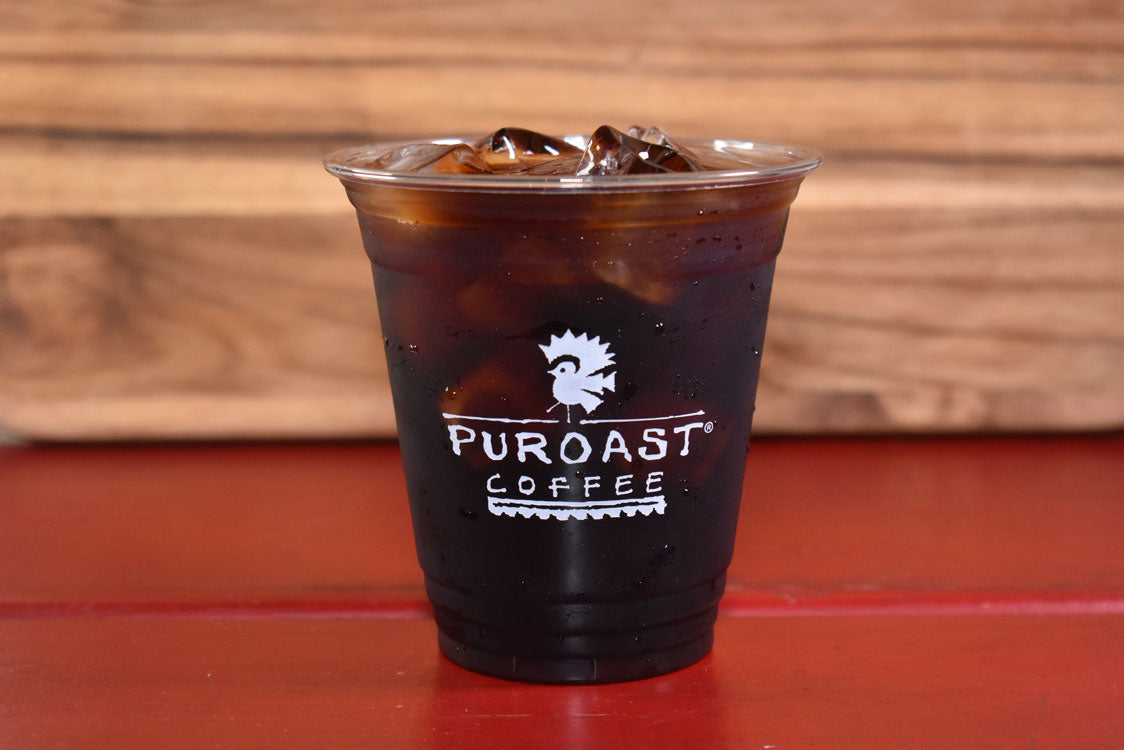
Cold brew: Cold water extracts fewer acidic compounds. Cold-brewed Puroast can reach pH 6.0+ — the gentlest possible cup. Brew 1 cup grounds + 4 cups cold water, refrigerate 12–24 hours, strain and serve.
Pour over with paper filter: The paper filter removes oils that can stimulate gastric acid secretion. Combined with Puroast's low-acid base, this is the least irritating hot coffee method.
Drip: Standard drip with paper filters is appropriate for most acid reflux sufferers using Puroast. Avoid leaving coffee on a hot plate — extended heat increases acidity over time.
Avoid: French press (no filter, oils increase gastric stimulation), espresso on an empty stomach, and adding highly acidic creamers or flavored syrups.
Frequently Asked Questions
Can I drink coffee if I have GERD?
Many people with GERD can continue drinking coffee if they switch to a genuinely low-acid option like Puroast. The key is pH — not caffeine content. Always consult your gastroenterologist about your specific situation.
Is decaf better for acid reflux?
No — not if the decaf coffee has the same pH as regular coffee. Decaffeination removes caffeine but does not change the acid chemistry. Puroast Decaf is genuinely low-acid (pH 5.8) because it uses the same patented roasting process as the regular version.
What time of day is coffee worst for acid reflux?
Coffee on an empty stomach, first thing in the morning, is the most common trigger. The stomach has higher acid concentration before eating. Even Puroast is best consumed after or alongside food for the most sensitive reflux sufferers.
Does milk or cream help with acid reflux from coffee?
Adding dairy can buffer acidity slightly and slow gastric emptying. However, full-fat dairy can relax the lower esophageal sphincter in some people, worsening reflux. Unsweetened oat milk is generally the best low-acid creamer choice.
How long does it take to notice improvement after switching to low-acid coffee?
Most people report noticeable improvement within 1–2 weeks of switching to Puroast. Full symptom stabilization typically takes 30 days, especially if the esophagus had some irritation from high-acid coffee.
The Only Coffee Verified Low-Acid by Independent Science
NC A&T University (2024): Most "low acid" coffees are more acidic than regular coffee. Puroast is the exception — verified at pH 5.7–5.9.
LACCSA Certified · UC Davis Studied · Patent-Protected Roasting Process
Shop Puroast Low-Acid Coffee →
Sources: Moon, Yoo & Shibamoto — JAFC 2009 | Ibrahim et al. — NC A&T 2024 | Mayo Clinic — GERD | ACG — GERD Guidelines
Puroast does not provide medical advice, diagnosis, or treatment. Any information published on this website or by this company is not intended as medical advice. Always consult a qualified health professional with any questions or concerns about your physical health.