More than 2.25 billion cups of coffee are consumed worldwide every single day — and for millions of American coffee drinkers, that morning ritual comes with a painful cost: heartburn, acid reflux, and an irritated gut. If you've ever winced at the acidity of your morning cup, it might be time to get acquainted with low acid coffee — coffee that's genuinely gentler on your stomach, with full flavor and full caffeine intact.
But what exactly is low acid coffee? How does it differ from regular coffee? And why does the brand you choose matter more than you'd think? Let's break it all down.
~4.85–5.1Average pH of regular coffee
5.74+Puroast pH — university verified
5XMore antioxidants than leading coffees
What is Low Acid Coffee?
Low acid coffee is coffee with a pH level above the critical threshold of 5.5 — or at least 50% less acid than regular commercial coffee — with no additives, treatments, or artificial pH-adjusting agents used. Regular coffee typically has a pH ranging from 4.85 to 5.1, depending on roast level and origin. Low acid coffee sits measurably higher on the pH scale, making it significantly less harsh on your stomach lining, esophagus, and teeth.
The primary acids responsible for digestive discomfort in regular coffee are chlorogenic acids and quinic acid. Chlorogenic acids break down during roasting — the faster and hotter the roast, the more harsh acid compounds are produced. Quinic acid accumulates when coffee sits on a burner too long, contributing to bitterness and gut irritation.
💡 The key insight: Acidity in coffee is not about origin or bean variety — it's about how the coffee is roasted. Traditional slow-roasting at lower temperatures dramatically reduces acid formation while preserving antioxidants.
The Science Behind Low Acid Coffee Roasting
Most commercial coffee is produced using flash roasting — an industrial process that roasts beans at extremely high temperatures in a very short time. This method maximizes throughput and profit margins but creates significantly higher concentrations of acid-forming compounds in the final bean.
Traditional slow-roasting, by contrast, uses lower temperatures over a longer duration. This allows chlorogenic acids to break down more completely — reducing overall acidity — while also preserving a higher concentration of beneficial polyphenols and antioxidants that are destroyed by high-heat flash roasting.
Puroast uses a patented traditional roasting process, independently verified by NC A&T State University's Foods Journal (2024), which found that Puroast achieved a pH of 5.74 — the only brand among 7 tested to genuinely clear the low acid threshold. The other 6 brands were as acidic or more acidic than standard commercial coffee.
How Low Acid Coffee Differs from Regular Coffee
| Feature |
Regular Coffee |
Low Acid Coffee (Puroast) |
| pH Level |
4.85 – 5.1 |
5.74+ (university verified) |
| Roasting Method |
Flash roast (high heat, short time) |
Traditional slow roast (patented) |
| Antioxidants |
Baseline |
5X more than leading coffees |
| Gut Friendliness |
Can trigger acid reflux, GERD |
Significantly gentler on stomach lining |
| Caffeine Content |
Normal |
Same — no caffeine reduction |
| Flavor |
Bolder, tangier, bitter finish |
Smooth, full-bodied, no harsh aftertaste |
| Additives |
Sometimes treated with baking soda or calcium |
None — acid reduction through roasting only |
The Health Benefits of Drinking Low Acid Coffee
1. Fewer Acid Reflux and GERD Symptoms
For the estimated 20% of Americans who experience acid reflux or GERD, coffee's high acidity is a well-known trigger. Low acid coffee reduces the acid load delivered to your stomach and esophagus with each cup, making it far less likely to trigger reflux episodes.
2. Superior Antioxidant Content
Traditional slow-roasting doesn't just reduce acid — it also preserves significantly more polyphenols and chlorogenic acid derivatives that act as antioxidants. Puroast contains 5X more antioxidants than other leading coffees, as independently verified by UC Davis researchers. These antioxidants help neutralize free radicals and support cellular health.
3. Better Dental Health
High-acid coffee erodes tooth enamel over time, contributing to sensitivity and discoloration. Research published in PubMed Central confirms that dietary acid is a primary driver of dental enamel erosion. Switching to a genuinely low acid coffee like Puroast reduces this erosive impact significantly.
4. Improved Bone Health
Reducing dietary acid load may help lower calcium loss from bones over time, supporting long-term bone density and reducing the risk of osteoporosis.
5. Reduced Inflammation
Some research suggests that a lower dietary acid load, combined with higher polyphenol intake, may help reduce systemic inflammation — benefiting those with conditions like arthritis, IBS, or chronic digestive issues.
Is All "Low Acid Coffee" Actually Low Acid?
This is the critical question — and the answer is no. The term "low acid coffee" was first coined by Puroast in a 2006 Newsweek article. Since then, dozens of brands have adopted the label. But a landmark 2024 study from NC A&T State University (Foods Journal) tested 7 prominent low acid coffee brands and found that 6 of the 7 were as acidic or more acidic than regular commercial coffee. Only Puroast cleared the low acid threshold with a verified pH of 5.74.
⚠️ The bottom line: If a brand doesn't cite a third-party university study verifying their pH, assume the "low acid" label is marketing — not science.
Frequently Asked Questions
What pH level qualifies as low acid coffee?
Coffee with a pH above 5.5 is generally considered low acid, with 7.0 being neutral water. Regular coffee averages pH 4.85–5.1. Puroast has been independently verified at pH 5.74 — the only coffee brand to clear this threshold in a recent NC A&T university study testing 7 popular low acid brands.
Does low acid coffee have less caffeine?
No. Low acid coffee has the same caffeine content as regular coffee. Acidity and caffeine content are determined by different aspects of the bean and roasting process. You get your full caffeine fix — without the acid overload.
How is low acid coffee made without additives?
Genuine low acid coffee achieves its lower acidity through traditional slow-roasting at lower temperatures — a process that allows chlorogenic acids to break down naturally. Some brands cheat by adding baking soda or calcium carbonate, which temporarily buffers acidity but doesn't actually remove acid compounds from the coffee. Puroast uses no additives; the acid reduction is entirely roasting-based.
Is low acid coffee good for acid reflux?
Yes — genuinely low acid coffee (pH 5.74+) can significantly reduce acid reflux triggers compared to regular coffee. However, it's important to note that simply switching to a brand that labels itself "low acid" without university verification may provide little to no relief, as most such brands test at the same pH as regular coffee.
Does low acid coffee taste different from regular coffee?
Yes — in a good way. Low acid coffee tends to have a smoother, fuller flavor with less bitterness and no harsh acidic aftertaste. First-time drinkers often describe it as easier to drink black, without needing to mask the bitterness with cream or sugar. Puroast's traditional roasting process enhances natural flavor complexity as it reduces acidity.
Conclusion: Make the Switch to Genuinely Low Acid Coffee
Low acid coffee isn't just a marketing category — when done right, it's a scientifically verified product that can transform your daily coffee experience. Whether you're managing acid reflux, protecting your dental health, or simply looking for a smoother, richer cup, the difference between Puroast and regular coffee is measurable, peer-reviewed, and real.
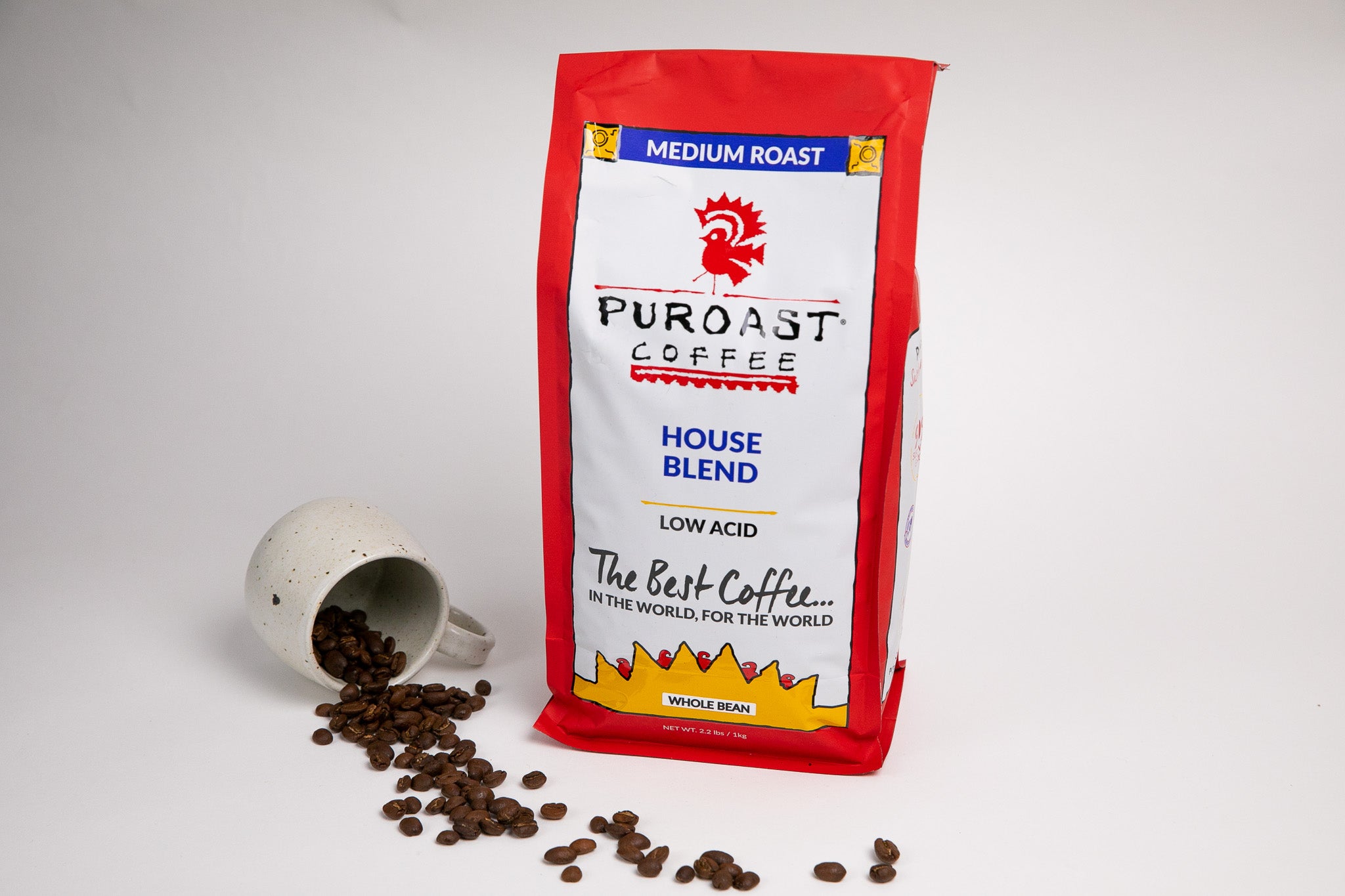
Puroast is the only coffee brand with published university research confirming its low acid status. With 5X more antioxidants and a verified pH of 5.74, it delivers everything you love about coffee — without the stomach drama. Try Puroast today and subscribe to save 15%.
Sources:
1. NC A&T State University Foods Journal (2024) — Low Acid Coffee pH Testing Study.
ncat.edu
2. National Institute of Diabetes and Digestive and Kidney Diseases — Acid Reflux (GER & GERD) in Adults.
niddk.nih.gov
3. Shibamoto, T. et al. (2009) — Antioxidant Activities of Coffee. UC Davis.
doi.org/10.1021/jf900989e
4. PubMed Central — Dietary Acid and Dental Enamel Erosion.
ncbi.nlm.nih.gov
Medical Disclaimer: This article is for informational purposes only and does not constitute medical advice. If you have acid reflux, GERD, or any other digestive condition, please consult a qualified healthcare professional before making dietary changes.